Attack on Titan Finale Review: Why the Most Controversial Anime Ending of 2024 Still Divides Fans
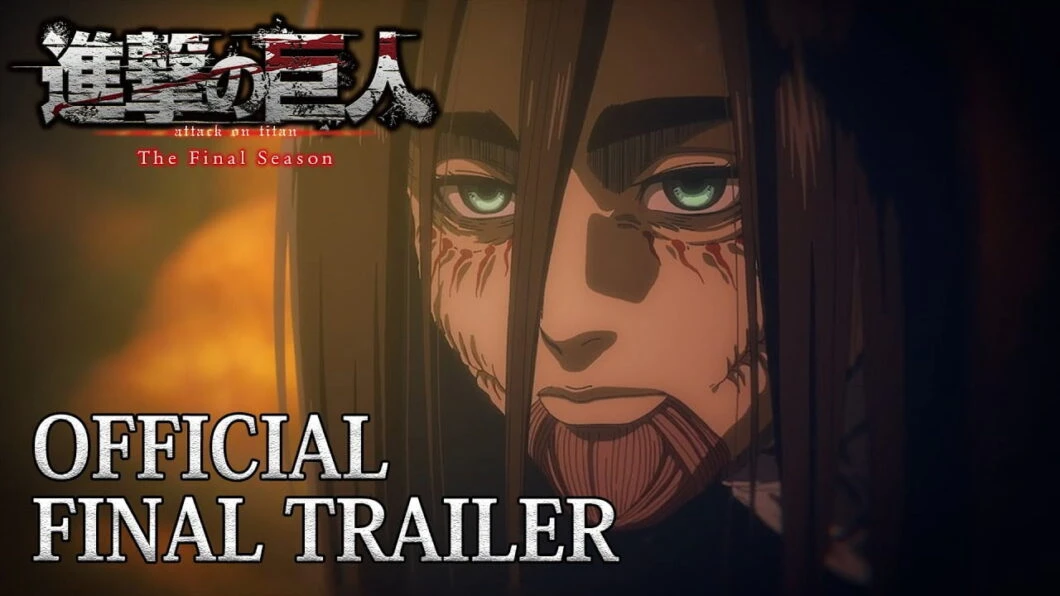
Attack on Titan Finale Review: Why the Most Controversial Anime Ending of 2024 Still Divides Fans
So the titans are gone, the walls are rubble, and Eren's cooked. But the AOT ending controversy? Still very much alive. This Attack on Titan finale review is gonna be real with you — this ending is genuinely one of the most polarizing things to ever happen to the anime community, and people are still arguing about it going into 2025.
A decade. A whole decade of "humans vs. giants" evolving into this layered, heavy meditation on war, cycles of violence, and what freedom even means. And then Isayama wrapped it all up in a way that had half the fandom crying tears of relief and the other half absolutely losing it. So yeah. Let's get into it.
The Numbers Don't Lie: A Cultural Phenomenon
Before we get to the messy stuff, just take a second to appreciate how massive this show got:
- Server-Crushing Demand: The finale literally broke Crunchyroll. Millions of people couldn't even stream it in real time. That's not a normal thing that happens
- MyAnimeList Domination: AOT dethroned Fullmetal Alchemist: Brotherhood as the highest-rated anime of all time. Brotherhood. Let that sink in
- Theatrical Success: Attack on Titan: The Last Attack pulled a 9.1 on IMDb when it got the theatrical cut treatment
- Global Recognition: An 86-minute finale that people were genuinely comparing to feature-length animated films
Whatever you think about the ending, the cultural footprint this thing left is undeniable.
MAPPA vs. WIT Studio: The Animation Controversy That Never Ended
This debate started way before the finale and it still hasn't died — and honestly, it's more complicated than people make it sound.
The Critics' Perspective
Some reviewers went in hard. "Substantial visual downgrades." "Ugly" compared to WIT's work. And look, they're not entirely wrong about specific things:
- There are scenes where character artwork goes weirdly static during emotional moments that should've hit harder
- The CGI in titan battles is... noticeable. Not always in a good way
- The early seasons had this distinct, scratchy art style that MAPPA just didn't replicate
That stuff's real. I'm not gonna pretend it isn't.
The Defenders' Response
But here's the thing — MAPPA also delivered some of the most technically impressive action sequences in anime history under what were reportedly brutal production conditions. Screen Rant called it "arguably MAPPA's greatest work," and the finale genuinely does feel cinematic in a way most anime episodes don't get close to.
The Reality: MAPPA's finale is a mixed technical bag. The action is frequently jaw-dropping. The quieter moments sometimes suffer for it. Both things are true, and acting like it's all one or the other misses the point.
Eren Yeager's Character Arc: Genius Writing or Character Assassination?
Okay here's where it gets spicy. Eren Yeager's final character moments — specifically that last 25 minutes — split the fanbase harder than anything else in this show's run.
Why Fans Were Outraged
The criticism isn't baseless. Real talk:
- Eren's been cold, calculating, and almost alien in his detachment for the whole back half of the show — then suddenly he's sobbing and confessing feelings?
- "You became a mass murderer for our sake!" is a line that made a lot of people genuinely cringe
- His whole thing with Mikasa felt like it came from nowhere given how his character had been written for seasons
If you watched the finale expecting the Eren from season 3 onwards, that ending is whiplash.
The Thematic Defense
But — and this is where Eren Yeager character development actually gets interesting — supporters read that breakdown completely differently. Anime News Network put it well: Eren was "a sad and pathetic child whose war-addled brain and petulant heart simply could not handle the power he'd been given."
That's not a flaw in the writing. That's the whole point. The kid got the Founding Titan and essentially became a god with the emotional maturity of a teenager who watched his mom get eaten. Of course he breaks down. The conclusion does carry real hope too — Marleyans and Eldians actually working together, Armin pushing for peace — it just doesn't hand it to you.
The Ending That Refuses to Provide Easy Answers
This is probably why the Attack on Titan ending explained discourse never fully settles — there isn't a clean answer to extract.
The Cycle Continues
Even after the Rumbling, even after everything Eren sacrificed and destroyed, the cycle of violence doesn't end. The titan transformation technology could still resurface. It's a "stealth downer ending" wearing the costume of a victory lap, and Isayama committed to that fully.
Hope in Darkness
What makes it work — if it works for you — is that the hope feels earned rather than cheap:
- Former enemies choosing cooperation over revenge
- Armin carrying the weight of peace-building forward
- A next generation that at least has a chance at something different
It's not a happy ending. It's a "maybe" ending. Some people hate that. I think it's one of the braver choices the show made.
Fan Response: Love, Hate, and Everything Between
The AOT ending controversy generated some of the wildest fan reactions I've seen for any piece of media.
The Emotional Impact
Plenty of people were genuinely devastated in the best way. The finale hit different from typical anime endings — it didn't wrap things up neatly, and for viewers who'd been following this story for years, that departure from the usual formula actually landed. Multiple fans described being wrecked by it for days.
The Backlash
But the backlash was equally intense. People were upset enough about Eren Jaeger's final decisions and the Survey Corps' ending that a group actually made Attack on Titan: Requiem — a full alternate ending project by Studio Eclypse. That's a wild level of investment.
The fan endings mostly just create more questions than answers though. Closure that feels manufactured hits different than the ambiguity Isayama was actually going for.
Professional Critics Weigh In: A Year Later Assessment
Here's what's interesting — the MAPPA animation quality complaints and character gripes that dominated discourse right after release have softened a lot on retrospect. Screen Rant ran a piece basically arguing the finale doesn't just hold up, it's gotten more respected over time.
Critics looking back consistently landed on:
- Thematic Consistency: The ending stayed true to what AOT was always about — war, cycles, human nature
- Emotional Authenticity: The character reactions, messy as they are, feel real rather than manufactured for maximum satisfaction
- Artistic Ambition: It took swings. Most anime finales don't take swings like this
The Creator's Perspective: Isayama's Regrets and Intentions
This part's fascinating and doesn't get talked about enough. Isayama has said he wanted to give Eren a more heroic conclusion. The creator of the whole thing second-guessed himself on his own ending.
The anime adaptation did include "small but important rewrites" that fans generally responded well to — which suggests Isayama was listening and adjusting without abandoning the core message. Knowing the author wasn't entirely sure either makes the whole thing feel more human, weirdly.
Why Attack on Titan's Finale Matters for Anime
This stuff matters beyond just one show.
Genre Evolution
The Attack on Titan ending explained to the industry that audiences can handle ambiguous, uncomfortable conclusions. That's genuinely not a given in anime — the genre has a strong pull toward cathartic, decisive endings. AOT pushed against that.
Cultural Impact
The theatrical release of The Last Attack kept the conversation going long after the series ended. What does Isayama's legacy actually look like? That question is still being actively debated.
Setting New Standards
Studios finishing long-running series are going to be thinking about what AOT did — the technical ambition, the emotional commitment, the refusal to play it safe — for a long time.
The Verdict: A Flawed Masterpiece or Misunderstood Genius?
Honest take? It's neither the masterpiece its defenders want it to be nor the disaster its harshest critics claim. This Attack on Titan finale review keeps coming back to the same place: it's a complex, ambitious conclusion that asks hard questions and trusts you to sit with them.
I went back and forth on it myself. Read through it, thought about what Isayama was actually trying to say, and landed on: mixed bag. Real good stuff and real frustrating stuff coexisting in the same ending.
That's uncomfortable. It's also kind of the whole point.
Final Score: The Most Important Anime Ending in Years
Rating: 8.5/10 — Bold and emotionally committed, lands on its thematic goals, stumbles on pacing and some character beats where it needed to stick the landing harder.
The 2024-2025 anime finale analysis crowd will keep debating this one. AOT's finale earned its spot as one of the most significant conclusions the medium has produced — not because it's perfect, but because it had the nerve to be genuinely difficult. In a genre that often plays it safe, that actually counts for something.
Credit: Image: AOT Portal
Comments & Discussion
🗣️ Share your thoughts! Comments will appear here.