Chainsaw Man Season 1: Why Japan HATED What the West Called a Masterpiece
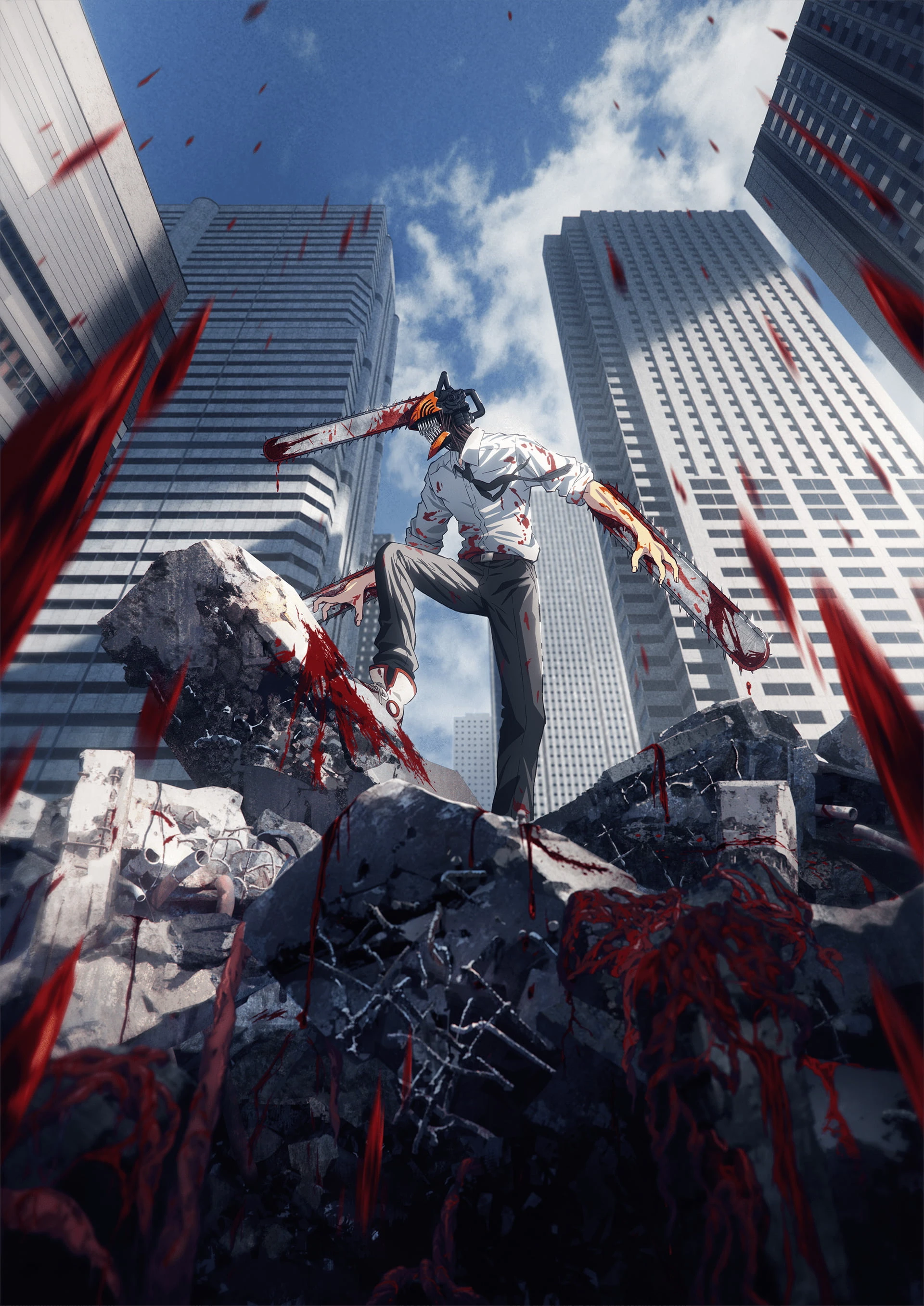
Chainsaw Man Season 1: Why Japan HATED What the West Called a Masterpiece
The most controversial anime adaptation of 2022 didn't fail—it split the world in half.
When MAPPA's Chainsaw Man Season 1 premiered in October 2022, it arrived with crushing expectations. Ten years of manga hype. A studio fresh off Attack on Titan's final season. A source material beloved for its chaotic ultraviolence and tonal whiplash. Western critics immediately crowned it a triumph: 97% on Rotten Tomatoes, Crunchyroll's "Best New Series," and MyAnimeList scores that rivaled the industry's elite.
But in Japan? Chaos.
Japanese otaku didn't just dislike the adaptation—they felt betrayed by it. Not because of poor animation quality or bad voice acting, but because director Ryū Nakayama committed what they saw as anime heresy: he made it too cinematic and not anime enough.
This isn't your typical "fans are mad about changes" discourse. This is a fascinating cultural divide that reveals everything about how the anime industry is evolving—and who gets left behind.
What IS Chainsaw Man? (The Elevator Pitch)
If you somehow missed the phenomenon, here's the hook: Denji is a broke teenager who merges with his pet devil-dog Pochita to become Chainsaw Man—a creature that pull-starts chainsaws from his face and arms to slaughter demons.
Sounds like dumb fun?
It's not.
Created by manga auteur Tatsuki Fujimoto, Chainsaw Man is what happens when you blend:
- The ultraviolence of Attack on Titan
- The psychological devastation of Evangelion
- The tonal chaos of Dorohedoro
- The horny desperation of every broke teenager's inner monologue
Denji doesn't want to save the world—he wants three meals a day and maybe touch some boobs. His handler Makima manipulates him with surgical precision. His best friend Power is a blood-fiend who makes toilet jokes. His partner Aki becomes the emotional anchor before tragedy strikes.
The manga's Part 1 (2018-2020) became legendary for killing beloved characters without warning, mixing slapstick with existential horror, and treating its protagonist's base desires as both relatable and tragic. When the anime was announced in 2021, hype reached fever pitch.
Then Nakayama made the decision that would define the discourse.
The Animation Philosophy: Realism vs. Tradition
Here's the nuclear bomb Nakayama dropped: he decided to make Chainsaw Man feel like a European art film instead of a typical anime.
His vision for Season 1:
- Fluid, realistic character movements (no exaggerated anime physics)
- Subtle facial expressions and body language
- Washed-out, muted color palette inspired by cinema
- Contemplative pacing that emphasized drama over spectacle
- Openly stated goal: avoid anime tropes and create something "different"
Western critics and casual anime fans loved it. They praised the show for:
- Breaking free from anime clichés
- Sophisticated visual storytelling
- Cinematic maturity that elevated the source material
- Animation that felt "prestige TV" rather than Saturday morning cartoons
MAPPA's technical execution was flawless—smooth sakuga, detailed backgrounds, expressive character acting. Rotten Tomatoes gave it 97% from critics and 91% from audiences. Crunchyroll handed it "Best New Series." Saturn Awards nominated it for "Best Animated Series."
Japanese fans were furious.
The Three Sins That Enraged Japan
The backlash wasn't about animation quality—it was about philosophy. Japanese otaku culture values specific aesthetic traditions: vibrant colors, exaggerated expressions, kinetic energy, stylized action sequences. Nakayama's approach felt like a rejection of what makes anime anime.
Sin #1: Tonal Betrayal
Manga readers expected the chaotic humor and absurdist energy that made Fujimoto's work unique. The anime dialed down the comedy to focus on drama and tragedy. Moments that should've been darkly funny became contemplative. The world felt oppressively serious instead of unpredictably dangerous.
Japanese fans complained: "They removed the soul of the manga."
Sin #2: Visual Disappointment
Fans expected the manga's clashing neon colors—bright reds, electric blues, violent contrasts. Instead, they got earth tones and washed-out palettes.
The irony? Most fans were comparing the anime to VIZ Media's official colored manga version, not Fujimoto's original black-and-white art. They were mad the anime didn't match a colorization that Fujimoto himself didn't create.
Sin #3: Director "Arrogance"
This is where it got personal. Nakayama gave interviews saying he "didn't like anime tropes" and wanted to make something "different." To Japanese otaku, this read as: "I don't respect the medium you love."
One Japanese Reddit user explained: "The director's comments were interpreted as a critique of the entire medium, leading people to dismiss his work without engaging with it."
Western fans scratched their heads—wasn't innovation good? But for traditional otaku, this felt like cultural erasure.
The Cultural Divide: Why This Matters
The Chainsaw Man discourse exposed a generational and geographical split in anime fandom:
Traditional Japanese Otaku (Domestic Market):
- Grew up with anime as a distinct aesthetic medium with its own visual language
- Value tradition, familiar tropes, and recognizable styles
- See anime as already sophisticated—doesn't need "elevation" through cinematic realism
- Read manga first, expect adaptations to honor the source
Western Streaming Generation (International Market):
- Discovered anime through Netflix/Crunchyroll, not VHS fansubs
- Lack attachment to "traditional anime aesthetics"
- Want anime to be taken seriously as art, which means looking like prestige cinema
- Often watch anime first, read manga later (if at all)
Nakayama's approach was literally designed for one audience and alienated the other.
What the Anime Actually Got Right
Let's be clear: the production quality was exceptional.
Animation & Visuals
MAPPA delivered fluid character animation, detailed backgrounds, and expressive acting. The CGI usage (Denji's transformations) was sparing but occasionally stiff, which gave ammunition to critics. However, major action sequences were traditionally animated and gorgeous.
The color palette—while controversial—created a grounded, oppressive atmosphere that matched the series' themes about poverty, exploitation, and manipulation.
Music & Sound Design
Kensuke Ushio's experimental soundtrack blended industrial noise, orchestral swells, and electronic chaos. It's polarizing but undeniably ambitious.
The ending theme strategy was genius: 12 different songs by artists like PEOPLE 1, Aimer, Eve, and TK from Ling tosite sigure. Every episode felt like an event.
Voice Acting
- Kikunosuke Toya (Japanese Denji) perfectly captures the whiplash between horniness, trauma, and genuine kindness
- Ryan Colt Levy (English Denji) brings authentic Gen Z energy that Western audiences connect with
- Tomori Kusunoki (Makima) delivers chilling calm that makes every line feel like psychological warfare
- Fairouz Ai (Power) commits fully to unhinged chaos
Both dub and sub work brilliantly—just differently.
The Pacing Problem Nobody Denies
Here's something both sides agree on: the pacing felt off.
Season 1 covered 38 manga chapters in 12 episodes—a solid ratio on paper. But after 10 years of pre-anime hype, it felt insufficient. Major arcs got compressed. Character development that unfolded gradually in the manga felt rushed.
The show works better when binged. Weekly viewers felt shortchanged. Binge-watchers found it engrossing. This tension would continue to haunt the franchise.
The Memes & Online Discourse
Despite the controversy, Chainsaw Man's internet presence exploded:
Top meme categories:
- "CSM fans seeing unflushed shit in McDonald's bathroom: 'It's a Power reference!'" (mocking over-analysis of her toilet humor)
- "I believe in Denji making weird faces supremacy" (celebrating his unhinged expressions)
- Makima manipulation content that doubles as relationship red flag PSAs
- "The world is cruel and unjust. There is no harmony." [cuts to cute Power moment]
The meme culture reveals a self-aware fandom that embraces the series' contradictions rather than defending it unconditionally. Unlike toxic communities, CSM fans know their show is messy, horny, and tonally inconsistent—and love it anyway.
Fujimoto's Take: The Creator Weighs In
The most fascinating twist? Tatsuki Fujimoto explicitly supported Nakayama's vision.
In pre-release interviews, Fujimoto stated:
"The anime and manga are different mediums. Attempting to replicate everything one-to-one isn't the right approach. Anime has sound, movement, color—an entire second dimension for our senses."
Fujimoto wanted creative interpretation, not literal adaptation. He trusted Nakayama to capture the emotional truth rather than aesthetic fidelity.
This philosophy would later be vindicated by his collaboration with director Kiyotaka Oshiyama on Look Back (2024), which also received a 100% Rotten Tomatoes score using a completely different visual approach.
Fujimoto sees anime as an art form that should evolve, not a medium that should serve manga.
This is either visionary or heretical, depending on your perspective.
The Verdict: Did Season 1 Succeed?
By Western metrics? Absolutely.
- Top-tier streaming numbers on Crunchyroll
- Critical acclaim across major publications
- Introduced millions of new fans to the franchise
- Proved anime could be "prestige television"
By Japanese traditional standards? Mixed.
- Domestically divisive reception
- Otaku community backlash was loud and sustained
- Commercial success but cultural controversy
- Seen as a cautionary tale about ignoring core audiences
By Fujimoto's standards? Yes.
- His creative vision was respected
- The adaptation made bold choices instead of safe ones
- It sparked genuine artistic discourse
- The franchise expanded globally
The numbers don't lie: MyAnimeList score of 8.44/10, Crunchyroll's flagship title, and sustained cultural relevance mean Season 1 worked—just not for everyone.
What This Means for Anime's Future
Chainsaw Man Season 1 represents a crossroads moment for the industry:
The Old Model: Adapt manga panel-by-panel, preserve aesthetic traditions, prioritize domestic otaku market
The New Model: Treat anime as its own art form, embrace creative interpretation, target global streaming audiences
The franchise's international success proved you can make commercially viable anime that challenges conventions—you just have to accept that traditional fans might riot.
This tension isn't going away. As anime becomes more mainstream globally, creative teams will face the same choice Nakayama did: honor tradition or chase innovation?
What's Next? The Reze Arc Takes a Different Path
MAPPA clearly heard the criticism. For the Reze Arc film (2025), they replaced Nakayama with Tatsuya Yoshihara—a director known for more traditional anime aesthetics.
Yoshihara's approach: embrace the manga's raw, sketchy energy instead of cinematic realism. Rough linework, chaotic action, faithful panel composition.
The result? A box office phenomenon and critical redemption that suggests there is a way to satisfy both audiences.
But that's a story for another article...
Final Thoughts: Was the Backlash Fair?
Here's the uncomfortable truth: both sides were right.
Japanese fans were justified in feeling that the adaptation didn't capture what they loved about the manga. Western fans were justified in praising bold creative choices. Fujimoto was justified in supporting his director's vision.
Season 1 isn't "overrated" or "underrated"—it's differently rated depending on what you value:
✅ You'll love it if: You want anime that breaks conventions, embraces cinematic storytelling, and treats viewers like adults
❌ You'll hate it if: You want manga-faithful adaptations, traditional anime aesthetics, and consistent tonal energy
The legacy of Chainsaw Man Season 1 isn't universal acclaim—it's meaningful debate about what anime can be.
And maybe that's more valuable than everyone agreeing it's a masterpiece.
What's your take? Did Nakayama's cinematic approach work, or should he have stayed faithful to anime traditions? Drop your thoughts below—and try not to start a civil war in the comments. 🔥
Want to see how MAPPA responded to the backlash? Here's how the Reze Arc film made $108M by taking a completely different approach.
Keywords: Chainsaw Man Season 1 review, MAPPA anime controversy, Chainsaw Man Japan reception, anime adaptation debate, Ryū Nakayama director, Chainsaw Man vs manga, best dark shonen anime, Chainsaw Man streaming Crunchyroll, anime cultural divide, Tatsuki Fujimoto interview
Credit: Image: Chainsaw Man Official Website (chainsawman.dog)
Comments & Discussion
🗣️ Share your thoughts! Comments will appear here.