Digimon Beatbreak: Why Fans Are Fighting Over the Most Controversial Digimon Anime in 20 Years
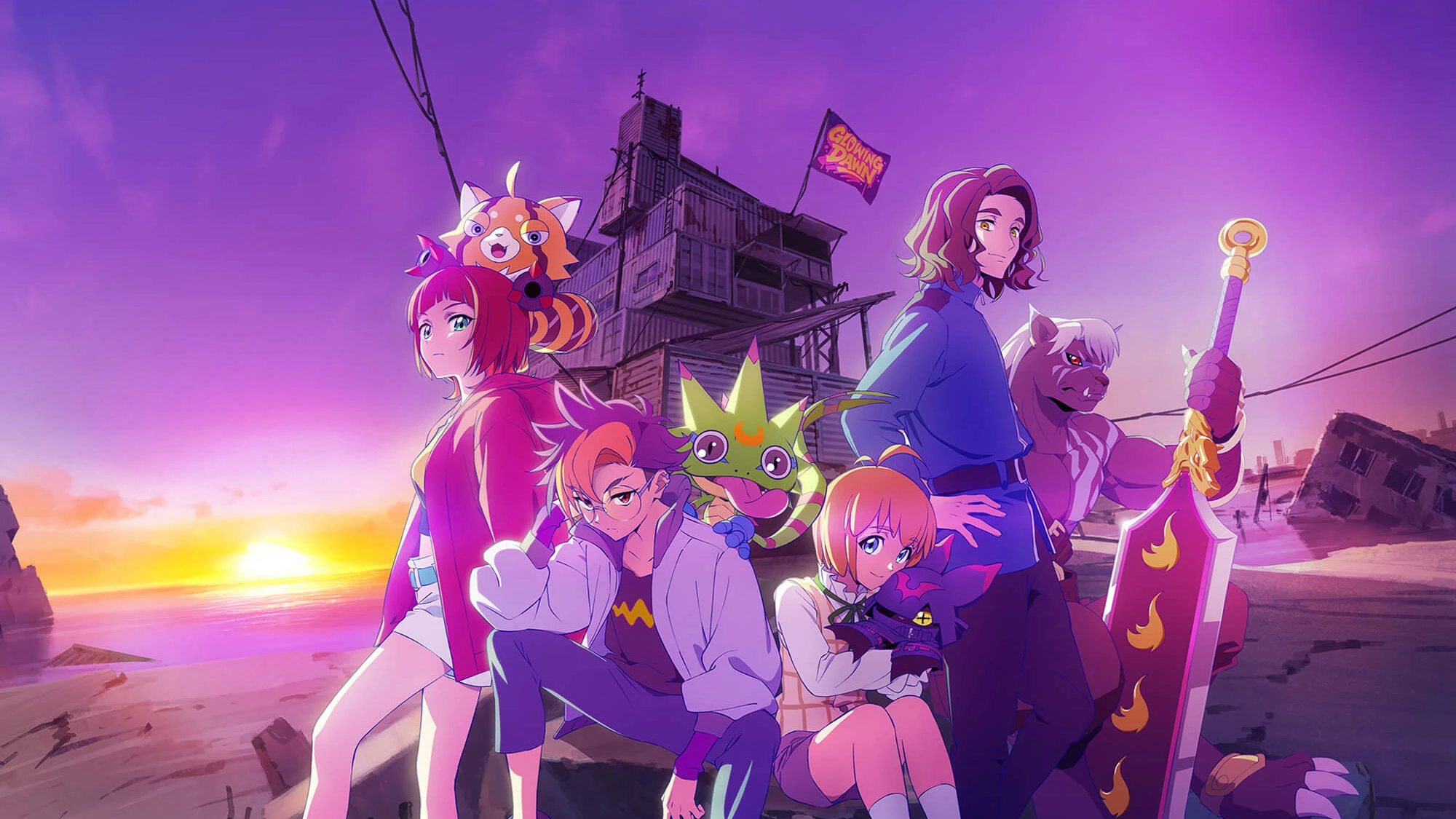
Digimon Beatbreak: Why Fans Are Fighting Over the Most Controversial Digimon Anime in 20 Years
The Digimon franchise just dropped its darkest, most ambitious anime since Tamers—and the community is at war over whether it's brilliant or boring.
When Digimon Beatbreak premiered on October 5, 2025, it promised something the franchise hadn't delivered in decades: a mature, dystopian narrative that could rival the psychological depth of Digimon Tamers. Three months later, the series sits at a respectable 7.07/10 on MyAnimeList, but that number masks one of the most passionate fandom divides in recent anime history. Some viewers are calling it the best Digimon entry in 20 years. Others have rage-quit after episode 11, claiming it's unwatchable filler.
So what's the truth? Let's dive into the phenomenon that is Digimon Beatbreak—a series that's simultaneously revitalizing and fracturing the Digimon community.
The Dystopian Premise That Changes Everything
Forget the Digital World. Beatbreak takes place in 2050, where humanity has surrendered control to AI devices called Sapotamas that run on e-Pulse—literal emotional energy harvested from human thoughts and feelings. When these devices malfunction and spawn Digimon that consume e-Pulse, society collapses into chaos.
Enter Tomoro Tenma, a high schooler whose unusual e-Pulse signature breaks Sapotamas on contact. After his device spawns Gekkomon, his life implodes: his brother Asuka falls into a "Cold Heart" frozen coma, his parents are arrested by the dystopian Ministry of Civil Protection, and he's forced to become a "Cleaner"—a bounty hunter who eliminates rogue Digimon.
This isn't your childhood Digimon. Beatbreak trades summer camp adventures for systemic oppression, emotional abuse, and genuine psychological trauma. The series literalizes the monetization of human emotion—a critique that hits uncomfortably close to home in 2025's AI-saturated landscape.
Animation and Visuals: Universally Praised
Here's something both sides agree on: Beatbreak looks stunning. Director Hiroaki Miyamoto (One Piece Film: Gold) delivers consistently impressive animation quality that stands alongside modern anime's best. From Gekkomon's fluid gecko-like movements to the climactic Armalizamon evolution sequence, the production values never waver.
The character designs strike a balance between contemporary anime aesthetics and Digimon's signature creature design philosophy. Gekkomon's childlike expressiveness contrasts beautifully with the sterile, surveillance-state visual language of the Sapotama-controlled society. When Armalizamon finally appears in episode 12—a dramatic armored girdled lizard design that sparked immediate Journey to the West mythology theories—the visual payoff justifies the wait.
The Music and Sound Design
Composer Alisa Okehazama crafts a soundscape that reinforces the dystopian atmosphere without overwhelming character moments. The score knows when to pull back, letting silence and ambient sound emphasize emotional beats. Voice acting delivers across the board, with the Japanese cast particularly praised for conveying subtle emotional shifts—critical when the narrative prioritizes internal character development over external action.
The English dub, featuring Zeno Robinson as Tomoro and Risa Mei as Gekkomon, finally arrived on December 27, 2025—nearly three months after premiere. While the performances are strong, the delay became its own controversy.
The Dub Disaster: How Streaming Politics Hurt Beatbreak
Screen Rant's viral article argued that Beatbreak's lack of simultaneous English dub "crippled" its cultural reach—and industry analysts largely agree. The numbers don't lie: Digimon Story: Time Stranger, which launched with day-one English dubbing, sold 1 million copies in two months. Meanwhile, Beatbreak languished in sub-only streaming hell for 12 episodes.
The culprit? Systemic industry dysfunction. Toei Animation delivers files to Crunchyroll with no dubbing consideration. Independent dubbing studios then scramble to find buyers after the show concludes, facing indifference from streaming services already holding subtitled versions. By the time Crunchyroll greenlit the dub, early momentum had evaporated—a case study in how localization delays can torpedo even quality anime.
The Pacing War: Where Fandom Draws Battle Lines
This is where things get spicy.
Team Slow-Burn argues Beatbreak prioritizes sophisticated character development over formulaic evolution spectacle. They point to Tamers' legendary status despite similarly deliberate pacing. By focusing 10-12 episodes on Tomoro's trauma—his rage at losing his family, his emotional abuse of Gekkomon, his resistance to forming genuine bonds—the series earns its emotional payoffs. When Armalizamon finally evolved in episode 12, defenders celebrated: "It truly felt warranted! Tomoro needed to come to terms with his struggles."
Team Get-On-With-It counters that 12 episodes before meaningful progression feels glacial by modern standards. Episode 11 became a flashpoint: Gekkomon devolved instead of evolving, regressing the Tomoro-Gekkomon relationship. Comments exploded: "stretched filler," "first half served no purpose," "actively insulting to viewers." Critics argue that expanding character moments across 10+ episodes dilutes tension when audiences expect escalating stakes.
The nuance both sides miss? This isn't a quality debate—it's a philosophy war. What one viewer sees as sophisticated storytelling, another sees as indulgent bloat. Neither position is objectively wrong.
Episode 12: The Payoff That Changed Everything
Then came "A New Family."
Episode 12 delivered what character-focused advocates had promised: Armalizamon's evolution triggered not by external threat, but by Tomoro finally confronting his emotional abuse. He explicitly acknowledges how his rage at external circumstances poisoned his bond with Gekkomon. The evolution wasn't spectacle—it was narrative catharsis.
Reddit reception shifted markedly. YouTube reaction videos flooded TikTok with euphoric responses—fans had anticipated this moment since episode 6, and Toei's spoiler management kept the surprise intact. Even skeptics admitted the payoff landed emotionally.
The evolution design sparked secondary discourse: Armalizamon's dramatic departure from Gekkomon's form inspired theories about Tsukuyomi (Japanese moon deity) symbolism and Journey to the West parallels embedded in character names.
Community Culture: Where Beatbreak Lives
Reddit's r/digimon sustains the series' most sophisticated discourse. Episode 11's controversy generated 60+ upvoted comments debating narrative regression versus bloat. Fan theorists actively dissect Asian mythology integration and Buddhist imagery in Digimon designs.
YouTube reaction channels dominate engagement—from "F*CKING FINALLY!!!" responses to methodical analysis podcasts suggesting Beatbreak could "dethrone Tamers" pending second-half execution.
TikTok circulates cliffhanger clips and character appreciation posts, engaging younger audiences through short-form reactions.
X/Twitter and 4chan mix crude humor with serious theory-crafting, debating whether the series "tries too hard to be modern" or represents necessary franchise evolution.
Controversies and Standout Moments
Beyond the pacing debate and dub disaster, several narrative threads grabbed community attention:
Kyo Sawashiro's Secret: Episode 11 confirmed theories that humble mentor Kyo was formerly one of the Five Stars—elite government-sanctioned Digimon partners. His mysterious scars, refusal to use ultimate evolution, and founding of anti-deletion organization Glowing Dawn suddenly recontextualized his entire arc. Community speculation exploded: What trauma caused his power loss?
Asuka's Frozen State: Rather than a plot device, the "Cold Heart" condition became thematic bedrock. Theories propose Asuka was investigating their parents' arrest before freezing—his knowledge of Digimon hints at hidden backstory that could upend season two.
The Tactics Arc Announcement: January 4, 2026 introduces rival team "Tactics" with ten new voice actors (including Rie Kugimiya, Yuichi Nakamura, Hiroshi Kamiya). Speculation that each Five Stars member possesses Mega evolutions immediately circulated.
How Beatbreak Compares to Digimon Legends
| Series | Tone | Pacing | Evolution Timing | Reception |
|---|---|---|---|---|
| Beatbreak | Dystopian AI-focused | Slow character build | Episode 12 | 7.07, polarized |
| Tamers | Mystery, introspective | Deliberate, plot-heavy | Early, earned | Retro acclaim |
| Ghost Game | Monster-of-week | Episodic, variable | Variable | 7.4+, mixed |
| Adventure (2020) | Nostalgic reboot | Action-frontloaded | Rapid escalation | Mixed to positive |
Community consensus: If Beatbreak maintains second-arc momentum, it rivals Tamers. If it falters, it risks Ghost Game's niche status.
The Verdict: A Series That Demands Patience
Digimon Beatbreak isn't for everyone—and that's precisely what makes it fascinating.
This is anime that trusts its audience to sit with discomfort, to tolerate character dysfunction, to wait for payoffs that might not arrive for 12 episodes. It's a deliberate rejection of instant gratification in favor of earned emotional catharsis. Whether that's sophisticated storytelling or frustrating self-indulgence depends entirely on what you value in anime.
The 7.07 MyAnimeList score tells you nothing. What matters is the passion—defenders comparing it to Tamers, critics rage-posting about wasted potential, theorists dissecting mythology parallels at 2 AM. A fanbase simultaneously championing and attacking the same show represents something rare in 2025: anime that still matters enough to fight about.
What Comes Next: The Tactics Arc and Beyond
The January 4, 2026 Tactics Arc promises team battles, new Five Stars reveals, and higher stakes. Voice actress Arisa Sekine teased: "From here on out, every episode feels like, 'Wait, it ends HERE!?' with cliffhangers that will have you yelling at the screen."
If the second arc balances character depth with narrative momentum, Beatbreak could become a cult classic. If it doubles down on slow-burn pacing without escalating stakes, it risks losing even dedicated viewers.
Either way, Digimon Beatbreak has already accomplished something remarkable: it's made people care about Digimon anime again. Whether that passion translates to mainstream success or remains confined to passionate subcommunities, we're watching franchise evolution in real-time.
The question isn't whether Beatbreak is good—it's whether you're willing to trust it.
What's your take on Digimon Beatbreak? Are you Team Slow-Burn or Team Get-On-With-It? Will the Tactics Arc deliver on its promise, or is the series already too far gone? Drop your thoughts below—this community needs more fuel for the fire.
Digimon Beatbreak streams on Crunchyroll with both subtitled and English dubbed episodes available. The Tactics Arc begins January 4, 2026.
Credit: Image: Toei Animation (toei-anim.co.jp)
Comments & Discussion
🗣️ Share your thoughts! Comments will appear here.