Pokémon Pokopia dropped and nobody was ready
Pokémon Pokopia dropped and nobody was ready
By Staff Writer · March 3, 2026 · 8 min read
Okay so real talk — when Pokémon Pokopia first got announced most of us clocked it as "Animal Crossing but make it Pokémon" and kind of moved on. Launch hype felt niche. Previews were fine. The whole thing looked cute but maybe shallow?
Then the review embargo lifted. 89–90 on Metacritic, one of the highest scores a Pokémon game has ever pulled. IGN dropped a 9. GameSpot dropped a 9. Polygon called it "so much more than an Animal Crossing clone." Twitter/X started cooking. The internet collectively went: wait, what?
So here's the full breakdown on what Pokopia actually is, why it hit so different, and what the community is genuinely losing its mind over. For our detailed gameplay review and analysis of Pokémon Pokopia, check out our full review.
So What Even Is Pokopia?
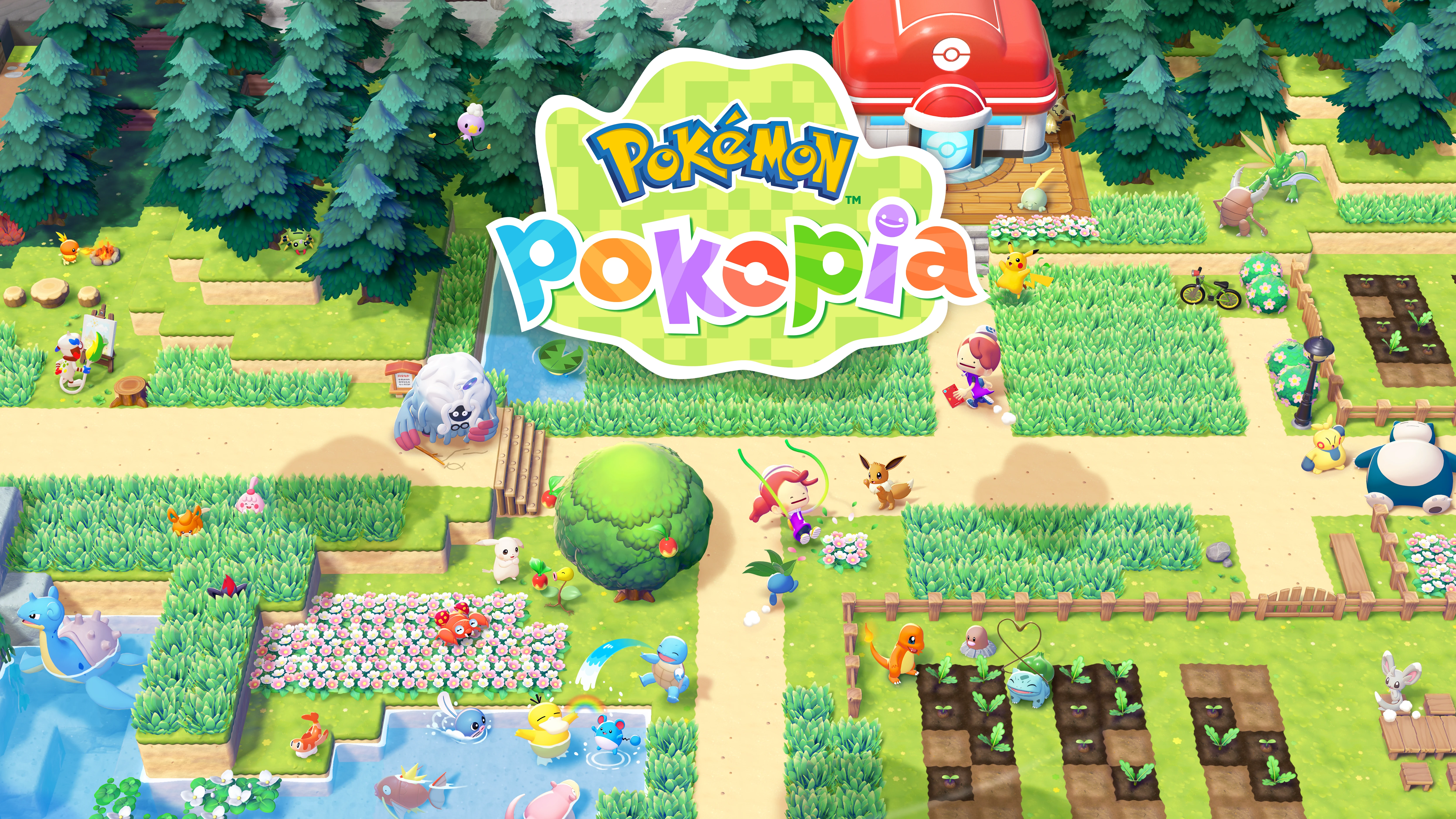
Pokopia is Pokémon's first full-on life sim and builder. No gyms. No battles. No Poké Balls. Instead, you're playing as a Ditto who transformed into its missing trainer, waking up in a drought-wrecked post-human Kanto where all the people just... vanished.
Yeah. It goes there.
The first area is the ruins of Fuchsia City. A lonely Tangrowth hands you a shovel and basically says "fix this." From there you're gathering resources, crafting habitats, and attracting Pokémon by building the right conditions for them — flower fields, ponds, graveyards for the ghost types — instead of catching them. It's closer to Dragon Quest Builders 2 than anything Pokémon has done before, and that's by design.
Game Freak brought in Omega Force (yes, the Dynasty Warriors/Builders 2 people) as co-developers. That partnership is arguably why this game hits as hard as it does. The building tools are legit. The pacing has structure. It doesn't collapse after 10 hours the way some spin-offs do.
📍 Worth noting: Your Ditto can transform into Pokémon like Lapras and Dragonite for traversal — surfing, gliding, environmental manipulation. It also idles by melting into a puddle. Genuinely good animation work.
Why This One Actually Matters
Post Sword/Shield and Scarlet/Violet criticism, Game Freak had a reputation problem. The discourse was rough: "technically unpolished," "rushed," "they need help." People had given up expecting a polished product from them without caveats.
Pokopia is a direct response to all of that — and it works. The world is visually coherent, the systems are deep, and the story? Reviewers across the board are calling it one of the most emotionally interesting things the franchise has done in years. Environmental logs, Pokémon adapting to a world without humans, a slow mystery about what collapsed Kanto civilization. Under the cozy surface it's honestly kinda bleak. The vibe shift is wild. For a deeper dive into the gameplay mechanics and what makes this life sim work, see our complete Pokémon Pokopia review.
It also slots perfectly into the cozy game boom that Animal Crossing kicked off in 2020 and never really died down. Stardew Valley. Disney Dreamlight Valley. Coral Island. The audience is huge and hungry. Pokémon entering that space with a 90 Metacritic is a big deal commercially, not just creatively.
And the Cloud Island system — basically a persistent co-op server where up to four players share a world, and the island keeps existing even when the host is offline — is genuinely new for Pokémon. It's Minecraft Realms energy applied to the franchise. If this works long-term it could reshape how mainline games think about shared worlds.
What the Internet Is Actually Saying
The reactions are all over the place and honestly that's part of what makes this launch interesting.
The hype crowd is loud and growing — especially once review scores dropped. YouTube creators who had been lukewarm flipped almost overnight. "Pokémon having a 90 Metacritic" became a whole conversation by itself. Reddit threads are full of DQB2 fans calling it "basically Builders 3 with Pokémon" in the best way, and parents describing it as an easy day-one buy for the whole family thanks to the non-combat focus.
The skeptical crowd is smaller but fair. Some players want to see how the game holds up at 80–100 hours, not just the critical window. Late-game grind and repetition are legitimate long-term concerns that a 20-hour review window can't fully assess. Reasonable caution.
And then there's the Game-Key Card discourse, which is its own beast entirely.
The Physical Copy Drama, Explained
Nintendo said — and this is important — that they had "no plans" to use Game-Key Cards (physical boxes that contain a download code, not actual cartridge data) for their own first-party titles.
Pokopia is a Game-Key Card release. First Nintendo-published title to go that route. The game is roughly 10GB, which is small enough to actually fit on a card. People are mad, and honestly it's hard to argue they shouldn't be.
The concerns are real: no resale, no lending, tied to an account, dependent on servers. Critics framing it as a "glorified receipt" aren't being dramatic. Physical-media advocates see this as the thin edge of a wedge that eventually removes all meaningful distinction between digital and "physical" ownership.
Even players who are otherwise excited about Pokopia say they're buying digital out of principle — refusing to pay for a box that contains nothing. Some are calling for boycotts of the physical SKU entirely. It's a legitimate grievance sitting awkwardly next to an otherwise excellent launch.
Where Pokopia Fits in the Bigger Picture
Pokémon has always had spin-offs — Mystery Dungeon, Snap, Conquest, Café ReMix — but this is the first one to fully abandon the battle loop and build something structurally new around care and construction instead.
Director Shigeru Ohmori traces the idea back to placing grass tiles on Ruby and Sapphire's 2D maps and watching Pokémon spawn. He wanted to make that feeling into a full game. He started prototyping it during Scarlet and Violet's production, The Pokémon Company suggested bringing in Koei Tecmo's Omega Force, and suddenly you have one of the smoothest Game Freak collaborations anyone can remember.
There's also bigger-picture speculation here. Cloud Islands, sophisticated build tools, environmental persistence — some analysts think Pokopia is a test bed for how future mainline Pokémon games handle shared worlds and player-built environments. Not confirmed, but the infrastructure is clearly more ambitious than a one-off spin-off needs to be.
Release Info and What to Watch
Pokémon Pokopia is out now on Nintendo Switch 2. Available digitally and as a Game-Key Card physical release.
The main story runs 20–40 hours, with substantial post-credits content and open-ended sandbox play beyond that. New Pokémon forms unique to Pokopia — Peakychu, Mosslax, Smearguru, and a ghostly Pikachu variant — are tied to late-game habitats and story events.
Co-op supports up to four players via Cloud Islands, and your island persists even when you're offline.
Keep an eye on: long-term player impressions in the 50–100 hour range, how the Cloud Island servers hold up under launch load, and whether Nintendo says anything about the Game-Key Card backlash.
🔥 Hot Take
Pokopia might be the most important Pokémon game in a decade — and Nintendo is actively making it harder to own properly.
The game itself? Genuinely excellent. Omega Force brought craft and structure that Game Freak rarely delivers solo. The 90 Metacritic isn't hype inflation — it's earned. But the Game-Key Card thing is a real problem, not a minor gripe. Selling a 10GB game in a physical box with no data on the card, for a franchise where collectors have always bought cartridges, is a move that sets a precedent nobody asked for. You can love this game and still be annoyed by how it's being sold. Both things are true at once, and anyone saying otherwise is either coping or has a Nintendo-shaped blind spot.
Tags: Pokémon · Pokopia · Nintendo Switch 2 · Cozy Games · Game Freak · Omega Force · Life Sim · Kanto
Credit: Images: The Pokémon Company (via official press kit)
Comments & Discussion
🗣️ Share your thoughts! Comments will appear here.